
A wedding is a universal celebration of love, but it is the unique tapestry of cultural traditions that gives each ceremony its profound meaning and soul. These rituals, passed down through generations, connect a couple to their heritage and infuse their union with symbolic blessings, creating a day that is about more than just two people—it's about the joining of histories, families, and communities.
From the vibrant and multi-day festivals of Indian weddings to the solemn elegance of a Western church ceremony, every tradition carries a story. Understanding and honoring these customs, whether they are your own or those you are marrying into, adds a layer of depth and respect to your celebration that transcends fashion and trends.
The Rich Tapestry of Hindu Weddings
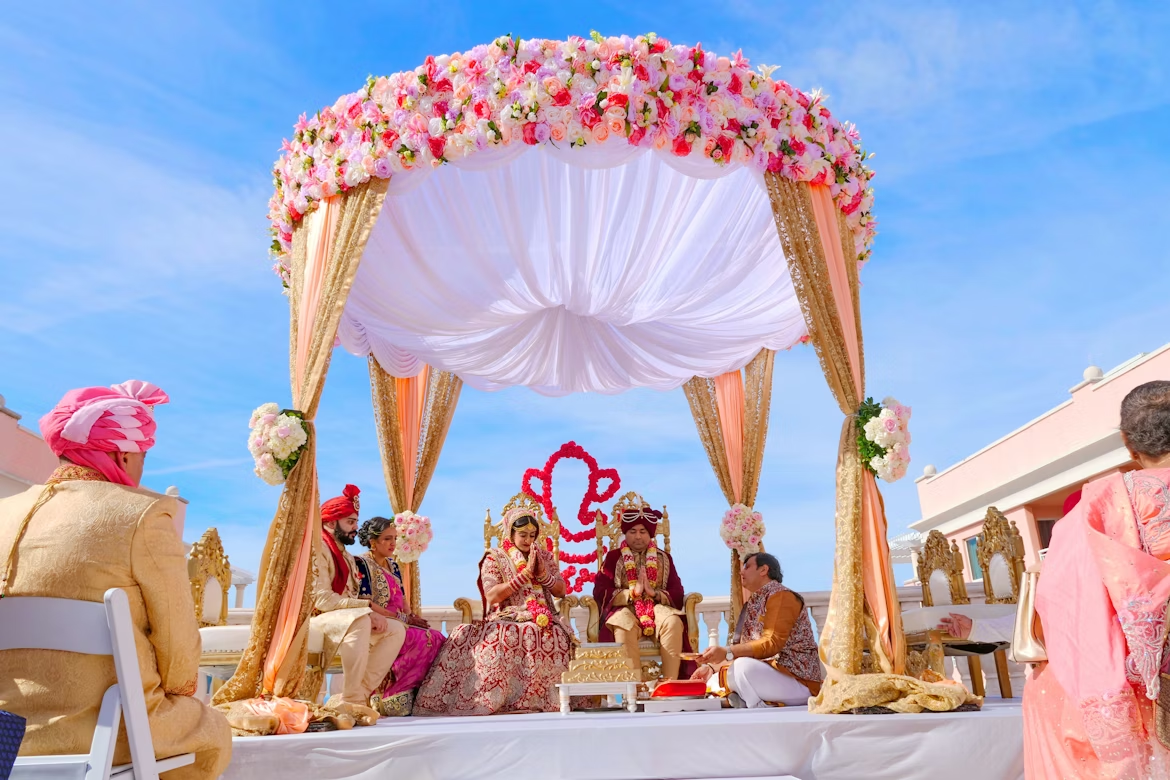
Hindu weddings are a vibrant symphony of rituals, each with deep spiritual significance. The ceremony centers around the sacred fire (Agni), witnessed as the eternal light of the universe. Key rituals include the Kanyadaan, where the bride's parents entrust her to the groom; the Saptapadi, the seven steps taken together around the fire, each representing a sacred vow for their married life; and the Mangalsutra ceremony, where the groom ties a sacred necklace around the bride's neck, symbolizing his lifelong commitment.
"A wedding tradition is more than a ritual; it is the voice of your ancestors, whispering blessings for your future. It's the thread that connects your new beginning to an ancient past."
These ceremonies are often preceded by days of events like the Mehndi, where intricate henna is applied to the bride's hands and feet as a symbol of joy and spiritual awakening, and the Sangeet, a night of music and dance celebrating the coming together of the two families.
Symbolism in Western & Christian Ceremonies
While varying by denomination, many Western traditions are rich with symbolism. The act of the father "giving away" the bride has evolved but often symbolizes the family's blessing on the union. The exchange of rings, a circle with no beginning or end, represents eternal love and commitment.
Other customs include the unity candle, where two individual flames are used to light a single one, symbolizing the creation of a new family; the jumping the broom, a tradition with roots in African-American culture, symbolizing the leap into a new life; and something old, new, borrowed, and blue, each item representing a different blessing for the bride's future.
Jewish Traditions of Sanctity and Joy
A Jewish wedding is filled with poignant rituals. It takes place under the Chuppah, a canopy open on all sides, representing the home the couple will build together and the hospitality they will show to others. The ceremony includes the drinking of wine from the Kiddush cup, symbolizing the sanctification of the marriage; and the breaking of a glass at the end, a reminder of the fragility of life and human relationships, even in a moment of great joy.
The celebration that follows is known for its exuberant energy, including the Hora dance, where the couple is lifted high on chairs by their guests, symbolizing their elevated status and the support of their community.
Blending and Honoring Traditions
In our modern, interconnected world, many couples come from diverse backgrounds. The beauty lies in thoughtfully blending these traditions to create a ceremony that is uniquely yours. This could mean having both a Saptapadi and a unity sand ceremony, or incorporating a tea ceremony to honor Chinese heritage alongside a Western-style vow exchange.
The key is to approach each tradition with research and respect. Talk to elders, consult with your officiant, and choose the rituals that hold the most meaning for you. Whether you follow one culture faithfully or create a beautiful fusion, these traditions ground your celebration in something larger than yourselves, blessing your marriage with the wisdom of the past as you step into your future together.